


Contract Drafting & Consulting
Bardstown KY
Estate Planning
Bardstown KY
Secure Your Legacy Today
The decisions you make when planning your estate are some of the most consequential legal and financial decisions that you will make during your life. The first important decision is to make an estate plan. Tragically, it is estimated more than 70% of Americans die without any estate plan in place, leaving it to their state government to decide who gets their property. You worked your entire life for the assets that you have and you deserve to be the one to decide where they go when you pass away.
Primarily, your estate plan creates legally binding instructions on who your property is distributed to upon your death. However, planning your estate is not just about deciding who inherits your assets—it is also about avoiding the lengthy and expensive probate process, planning for incapacity, selecting guardians for minor children, minimizing taxes, and ensuring your wishes are honored for decades to come.
Whether you are just getting started or are revisiting a plan you created years ago, our firm will help you craft your legacy exactly as you envision it.
What Is Estate Planning?
Estate planning is the process of making legal arrangements in the event of your death or incapacity. Most people are aware that your estate plan determines how your property is distributed upon your death. However, estate planning is far more extensive than just where your property goes when you die.
In the event of death or incapacity, your estate plan will detail: who has authority to manage your affairs, who would be your desired guardian for any minor children or disabled people in your care, who can make healthcare and financial decisions on your behalf, and, of course, your wishes regarding your property.
Estate planning is not a one-time event—it's an ongoing process that should be reviewed and updated as your life circumstances change or your priorities shift. A comprehensive estate plan provides peace of mind knowing that your family will be cared for and that your legacy will be preserved exactly as you envision.
Why Estate Planning Matters
Without a proper estate plan, the state government has already decided who will get your property upon your death. Most of the time, state law prioritizes keeping property in the bloodline, which can result in some unintentional and absurd outcomes.
You work your entire life to accumulate everything that you have. You should be the one to decide where that property goes. Unfortunately, death is one of the few certainties in life and it is important you have a plan in place for when that happens.
Not having an estate plan, or having a bad one in place, can result in unintended and disastrous consequences. Family members you no longer speak to could inherit your property, your children could be raised by someone you do not think would be fit for the job, your heirs could be subject to an expensive and burdensome probate process, or it could cause a vicious legal battle between family members over your estate.
Conversely, a thoughtfully crafted estate plan puts you in control. It reduces family conflict, protects your assets, ensures your wishes are respected, and can substantially reduce the process of transferring property upon your death. It does not matter if you are rich or poor, young or old: everyone needs an estate plan.
Will & Trust Drafting
The main tool in your estate plan is your primary testamentary document. Kentucky law has two primary testamentary documents: wills and trusts. Which one is right for you depends on your unique situation.
A last will and testament (a “will”) is a foundational document that specifies how your assets will be distributed after your death and names an executor to manage your estate. The executor is a trusted person, or people, that you appoint to wrap up your affairs upon your death such as dealing with creditors, distributing property, and facilitating the administration of your estate. Wills are simple, cost-effective solutions to making sure you have an estate plan in place. However, they have their shortcomings.
While strategic clients can still occasionally avoid it, wills typically put your estate on track to be distributed by the probate court. Probate is the legal process of admitting a will into the public record and distributing the decedent’s property according to their wishes under judicial oversight.
While there is nothing inherently wrong with the process, probate cases typically are required to stay open for at least six months, require your estate to incur additional attorney fees, and will make your assets and wishes part of the public record. Probate is not a terrible route to distribute your estate. In fact, it is the process in which the majority of Americans distribute their property upon their death, but it is best avoided if possible.
A revocable living trust is a legal entity that holds and manages your assets during your lifetime that also dictates much of the same wishes and bequests that would typically be included in a will. However, trusts can offer significant advantages over a will-only approach. Revocable living trusts are particularly effective estate planning tools because they allow you to typically avoid the probate process entirely, keep your estate plan private, set custom safeguards or restrictions on money or property, set up safeguards for incapacity, and save thousands in legal fees upon your death. Trusts are more complex and expensive than wills, but their advantages are self-evident.
Other trust types, such as irrevocable trusts, charitable trusts, and special needs trusts, serve specific purposes and can provide additional tax benefits or asset protection in unique circumstances. However, these types of trusts are very unique to individual circumstances and are not a good fit for most estate plans. These trusts should always be discussed in great detail with a trusted attorney.
Everyone’s individual circumstances and families are different. Which option is best for you depends on your situation and priorities. What is most important is that you have a plan in place for you and your family. Our firm will work closely with you with either option you choose to craft an estate plan tailored to your wishes so that you can have peace of mind in the event of the worst and preserve your legacy for generations to come.
Powers of Attorney & Living Wills
Estate planning is not just about planning for death. It also involves planning for what happens if you are ever unable to manage your own affairs. Sadly, people can lose capacity to manage their own financial or medical decisions due to various physical and mental reasons.
A durable financial power of attorney designates someone you trust to make financial and legal decisions on your behalf if you become incapacitated. A healthcare power of attorney appoints someone to make medical decisions for you if you cannot do so yourself. A living will, also called an advance healthcare directive, allows you to document your preferences regarding end-of-life care, resuscitation, and life-sustaining treatments. These documents ensure that your medical wishes are honored and spare your loved ones from making difficult decisions without guidance.
Together, these documents provide comprehensive protection during incapacity, ensuring your financial and healthcare interests are managed according to your values and preferences. Without these documents, your family may need to go through costly and invasive court proceedings to gain the authority to act on your behalf. The law incentivizes you to voluntarily designate trusted individuals to manage your affairs up front rather than seeking authority after it is too late.
Preserving Your Generational Legacy
Estate planning is about more than just money—it's about preserving your values, supporting causes you care about, and providing for your family across multiple generations. Generational legacy planning helps ensure that your wealth and values are passed down exactly as you envision it.
This might involve establishing trusts that provide for children and grandchildren while protecting assets from creditors and poor financial decisions. It may involve restricting the sale or development of a family farm. It can also include charitable giving strategies that support causes important to you while providing tax benefits. For family business owners, succession planning ensures the business continues according to your vision. For those with significant wealth, advanced tax strategies can preserve much more of your estate for future generations.
Our firm works with you to understand your long-term vision and create strategies that accomplish both your financial and personal goals.
Taking the Next Step
Your legacy is too important to leave to chance or to the state government. Whether you are creating your first estate plan or updating your old one, our firm is ready to help you build a comprehensive strategy that protects your family and honors your wishes. Contact our office to schedule a free consultation and begin planning your legacy today.
Hear From Our Clients
" You are not just another case"
"There is no one I'd rather have in my legal corner. They have represented Excavating Solutions & Hard Hat Pro. They have never let us down. You are not just another case, he my friend. If I need him, he's going to take care of us" - Jacob H.

"he is going to fight to get them the best outcome"
"As an accountant, I value accuracy and that is one reason I send my client's to Will. I also value personal & quality service, I know that when I recommend clients to Will he is going to take care of them. I know he is going to fight to get them the best outcome." - Jessie
"honestly couldn't have done it without his guidance."
"Going through a legal issue was really stressful for me, but Will kept me calm every step of the way. He always kept me in the loop and really made me feel supported. Thanks to him we got a great outcome and honestly couldn't have done it without his guidance. " - Steven V.
What Our Clients Are
Saying On Google

More Services



Probate &
Estates
Contract Drafting
& Consulting
Business
Services



Property
Law
Family
Law
Criminal
Defense
Personal
Injury
What Our Clients Are
Saying On Google
More Services
Probate &
Estates
Contract Drafting &
Consulting
Business
Services
Property
Law
Family
Law
Criminal
Defense
Personal
Injury
HOURS
Monday - Friday
8:00AM - 5:00PM
AREAS WE SERVE
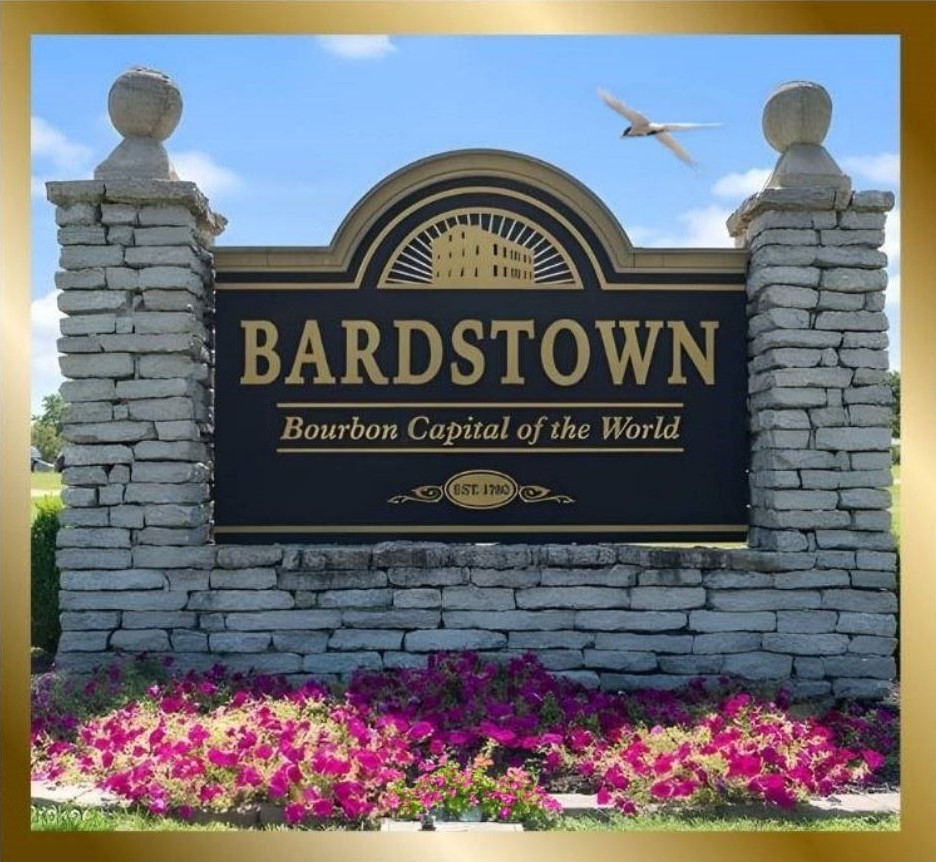
Bardstown | Bloomfield | Bullitt | Campbellsville | Hardin | Laru | Lebanon | Marion | Nelson | Springfield | Washington | AND MORE
HOURS
Monday - Friday
8AM - 5PM
AREAS WE SERVE
Bardstown | Bloomfield | Bullitt Campbellsville | Hardin | Laru | Lebanon | Marion | Nelson | Springfield | Washington | AND MORE